In today’s world where personalization is king, custom metal pins and keychains have surged in popularity as unique, tangible expressions of style and identity.

Whether it’s for brand promotion, collector’s items, or heartfelt gifts, the craft behind these small but meaningful accessories is both an art and a science.
With advances in design technology and metalworking techniques, creators can now bring intricate ideas to life with remarkable precision. Join me as we explore the fascinating journey of how these custom pieces are made from concept to completion, revealing the skill and passion that turns metal into miniature works of art.
If you’ve ever wondered what goes into crafting these little treasures, you’re in the right place. Let’s dive into the process that transforms raw materials into something truly special.
Designing the Blueprint: From Idea to Digital Draft
Sketching Out Your Vision
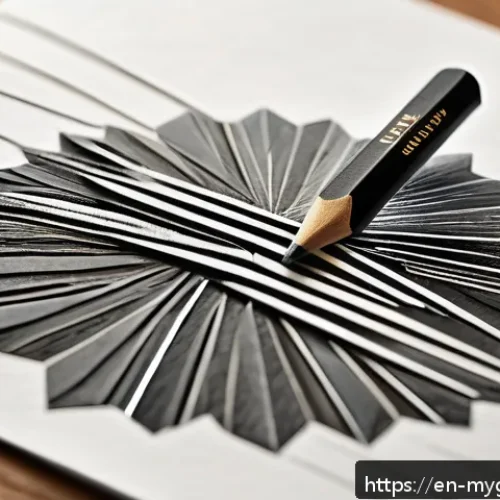
When you first imagine a custom metal pin or keychain, the journey begins with a simple sketch. It’s a raw, unfiltered expression of what you want to create—whether it’s a logo, a mascot, or an abstract shape.
I’ve found that even rough pencil drawings capture the soul of the design better than jumping straight into digital tools. This initial step is where creativity flows freely, without worrying about technical constraints.
Once the basic shape and elements are laid out, it’s easier to refine and translate the concept into a format that manufacturing machines can understand.
Transforming Sketches into Digital Files
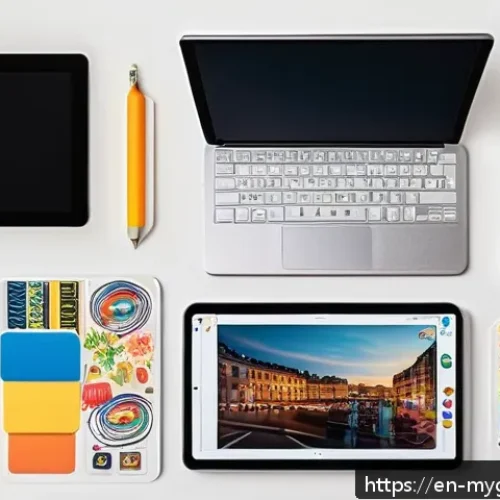
After the rough sketch, the next step involves converting the design into a precise digital format, typically using vector graphics software like Adobe Illustrator or CorelDRAW.
This stage is crucial because it defines every curve, edge, and detail that the metalworking process will follow. I’ve noticed that the more detailed and clean your digital file is, the better the final product looks.
This file acts as the blueprint for the entire production, so accuracy here saves a ton of headaches later on. Designers often play with layering and color separation in this phase to prepare for enameling or plating processes.
Choosing the Right Finish and Colors
Colors and finishes are not just about aesthetics; they influence how the final piece feels and stands out. Whether it’s polished gold, matte black, or vibrant enamel fills, selecting the right finish can elevate the design dramatically.
I usually recommend clients to think about where and how the pins or keychains will be used—something flashy might work great for events, while subtle tones are better for everyday wear.
Color matching is also key, especially when brand consistency is important, so this step involves a lot of back-and-forth with manufacturers to get it just right.
Precision Cutting and Molding: Shaping Your Design
Stamping and Die-Cutting Techniques
Once the digital design is ready, it’s time to bring the physical form to life. Most metal pins and keychains start as flat sheets of metal that get stamped or die-cut according to the blueprint.
This process demands precision because even a slight misalignment can ruin the entire piece. I’ve had firsthand experience with prototypes that needed multiple adjustments before the shape matched the original vision perfectly.
The tooling, often custom-made for each design, is what enables consistent reproduction, especially for larger orders.
3D Molding for Depth and Texture
For designs that require more dimension, 3D molding techniques come into play. This involves creating a mold that adds depth, relief, or texture to the metal surface.
It’s fascinating to see how simple lines on a flat sketch transform into raised or recessed areas that catch light differently. This tactile quality often makes pins and keychains more appealing and collectible.
While 3D molding adds complexity and cost, the visual payoff is worth it for many creators aiming for a premium feel.
Finishing Touches on the Edges
Edges are more than just boundaries; they affect the usability and comfort of the item. Sharp or uneven edges can be uncomfortable or snag on clothing, so polishing and smoothing are essential.
I’ve noticed that a well-rounded edge not only improves wearability but also gives the item a professional, finished look. Techniques like buffing and electroplating can be applied here to add extra shine or protective coating, enhancing durability.
Color Application: Adding Life and Personality
Soft and Hard Enamel Filling
Color application is where your design really springs to life. Soft enamel creates a textured finish with recessed color areas, while hard enamel results in a smooth, flat surface.
From my experience, soft enamel is perfect for more casual or artistic designs due to its tactile feel, whereas hard enamel is favored for corporate or luxury pins because of its polished look.
Both methods require skillful hand or machine filling, followed by curing or baking to set the colors permanently.
Screen Printing and UV Printing
For highly detailed or multi-colored designs that enamel can’t easily capture, screen printing or UV printing offers an alternative. These methods print ink directly onto the metal surface, allowing for photographic detail or gradients.
I once worked with a client who wanted a photographic likeness on a pin, and UV printing was the only way to achieve the clarity and detail they needed.
However, printed colors can wear off faster than enamel, so they’re often sealed with a protective coating.
Quality Control in Color Matching
Ensuring color accuracy is a painstaking but necessary step. Colors on screen don’t always match the final metal product, so manufacturers often provide physical samples or color swatches.
In my experience, this back-and-forth is essential to avoid surprises, especially when working with brand colors or specific palettes. Lighting conditions during inspection can also affect perception, so consistent, controlled environments are preferred for quality checks.
Assembly and Hardware Selection: The Functional Side
Choosing the Right Backings and Clasps
The hardware attached to your pin or keychain influences both functionality and user experience. For pins, options range from butterfly clutches to magnetic backs, each offering different levels of security and ease of use.
Keychains might have split rings, lobster clasps, or carabiners depending on their intended purpose. I always suggest considering who will use the item and how—they need to be sturdy enough for daily wear but also simple to handle.
Adding Special Features and Extras
Sometimes, adding extras like glow-in-the-dark paint, movable parts, or layered designs can make your piece stand out. I remember a custom project where a pin included a rotating element, which required precise engineering but wowed everyone who saw it.

These features increase production complexity and cost but can create memorable, unique items that collectors love. It’s all about balancing creativity with practical feasibility.
Final Inspection and Packaging
Before your pins or keychains hit the shelves or get shipped, they undergo rigorous final inspections. This includes checking for defects, color consistency, and hardware functionality.
Packaging also plays a big role in presentation—whether it’s a simple card backing or a custom box, good packaging protects the item and adds perceived value.
From personal experience, a well-packaged pin or keychain feels like a gift even if it’s a promotional giveaway.
Understanding Production Timelines and Costs
Typical Lead Times for Custom Orders
One of the biggest surprises for newcomers is how long production can take. From design approval to final delivery, timelines can range from a couple of weeks to over a month, depending on complexity and order size.
I’ve learned it’s best to plan ahead and communicate clearly with your manufacturer to avoid last-minute rushes. Unexpected delays can happen, especially if revisions or custom tooling are involved.
Cost Factors Influencing Pricing
Several variables impact the overall cost of custom metal pins and keychains, such as material choice, design complexity, color options, and quantity.
It’s tempting to go for the cheapest option, but I’ve found that investing a bit more upfront usually results in a better product that customers appreciate.
Bulk orders typically reduce unit cost, but small runs allow for more customization. Here’s a quick breakdown of typical cost drivers:
| Cost Factor | Impact on Price | Notes |
|---|---|---|
| Material Type | High | Precious metals or thick plating increase cost significantly |
| Design Complexity | Medium to High | Intricate details require more tooling and time |
| Color Process | Medium | Multiple colors and special finishes add to cost |
| Quantity | Variable | Higher quantities lower per-piece price due to economies of scale |
| Packaging | Low to Medium | Custom packaging adds value but increases expenses |
Balancing Quality and Budget
Finding the sweet spot between quality and budget is something I’ve wrestled with many times. While it’s tempting to cut corners on materials or finishes, the final impression matters most.
I recommend prioritizing features that align with your brand or personal values and being transparent with your manufacturer about budget constraints.
Often, they can suggest alternatives that maintain quality without breaking the bank.
Embracing Sustainability in Metal Goods Production
Eco-Friendly Materials and Processes
Sustainability is becoming a huge consideration in custom metal goods, and rightly so. Many manufacturers now offer recycled metals or use environmentally friendly plating processes to reduce their footprint.
From my perspective, opting for these greener choices not only helps the planet but also resonates with increasingly eco-conscious customers. It’s a win-win situation that often adds a meaningful story behind your product.
Reducing Waste Through Smart Design
Designing with sustainability in mind means minimizing waste and maximizing efficiency. For example, nesting multiple designs on a single metal sheet reduces scrap, and choosing simpler color processes can lower chemical use.
I’ve seen designers collaborate closely with factories to optimize layouts and materials, which leads to less waste and sometimes even cost savings.
Recycling and Repurposing Old Pins and Keychains
Finally, thinking beyond production, encouraging customers to recycle or repurpose old pins and keychains can extend their lifecycle. Some brands offer buy-back or trade-in programs, which I find to be a smart way to build loyalty and reduce environmental impact.
It’s inspiring to see how a small accessory can be part of a bigger movement toward sustainability in fashion and collectibles.
In Conclusion
Designing custom metal pins and keychains is a rewarding process that blends creativity with technical precision. From the first sketch to the final product, every step shapes the unique story behind your item. Paying attention to details like color, finish, and hardware can elevate your design and ensure it stands out. With thoughtful planning and collaboration, you can create pieces that truly resonate with your audience.
Helpful Tips to Remember
1. Start with a simple sketch to capture your initial ideas before moving to digital design—it helps keep creativity flowing.
2. Choose finishes and colors based on how and where the item will be used to ensure it fits the intended purpose.
3. Communicate clearly with your manufacturer about timelines and budget to avoid surprises and get the best quality.
4. Consider sustainable materials and processes to add environmental value to your product and appeal to conscious customers.
5. Don’t overlook packaging—it enhances presentation and can make your item feel like a special gift.
Key Takeaways
Successful custom metal goods hinge on balancing creativity, quality, and cost. Precise digital files and careful color matching are essential to avoid production issues. Selecting appropriate hardware and finishes not only improves functionality but also user satisfaction. Planning realistic timelines and maintaining open communication with manufacturers can streamline the process. Lastly, embracing sustainability adds meaningful value both environmentally and in customer perception.
Frequently Asked Questions (FAQ) 📖
Q: uestionsQ1: How long does it typically take to produce custom metal pins or keychains?
A: The production timeline can vary depending on the complexity and quantity of the order. For simpler designs and smaller batches, it usually takes about 2 to 3 weeks from design approval to final delivery.
More intricate pieces with multiple colors, layers, or special finishes may require 4 to 6 weeks. From my experience working with manufacturers, clear communication and providing finalized artwork early can help speed things up significantly.
Q: What materials are commonly used in making custom metal pins and keychains, and how do they affect the final product?
A: The most popular materials are zinc alloy, brass, and iron, each offering distinct benefits. Zinc alloy is affordable and versatile for detailed designs, while brass gives a premium feel with its natural gold-like tone.
Iron is sturdy and often used for larger keychains. The choice of metal impacts durability, weight, and how well the pin or keychain holds color or plating.
For example, I noticed that brass pieces tend to age beautifully, developing a unique patina over time, which adds character.
Q: Can I create a custom design if I don’t have professional artwork or design skills?
A: Absolutely! Many manufacturers offer design assistance or online tools that help you create a draft even without prior design experience. You can start with simple sketches or ideas, and their design teams will refine them into production-ready artwork.
I’ve guided several first-timers through this process, and it’s surprisingly straightforward. Just be sure to provide clear descriptions of your vision and any specific colors or themes you want included.