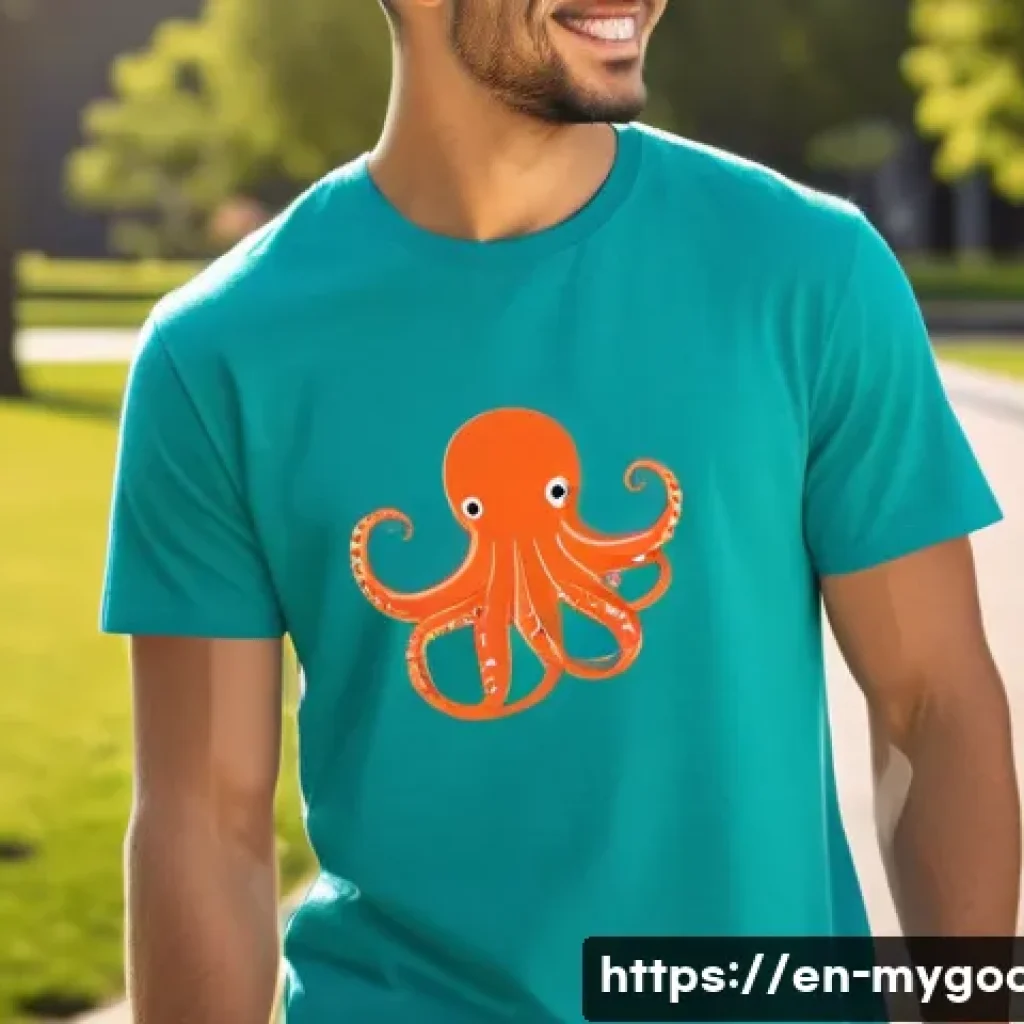
You know, one of the coolest parts about diving into the world of custom merchandise is just how much innovation is happening right now! It feels like every other day there’s a new technique or a smarter way to bring our wildest design dreams to life.
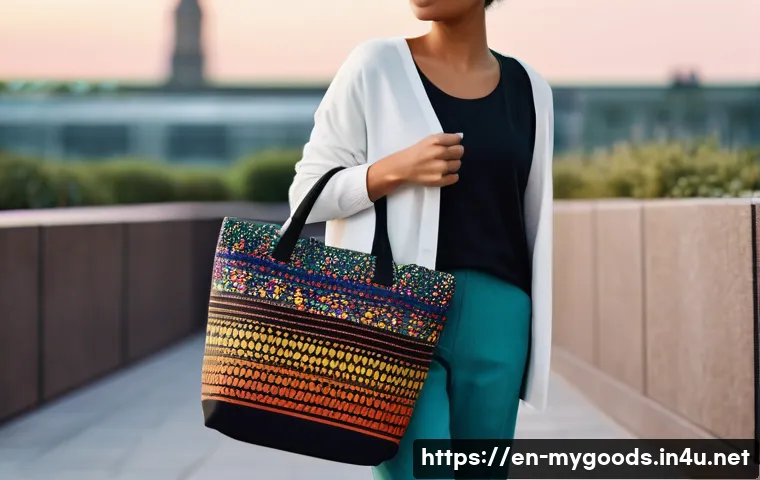
Whether you’re a small business owner launching your first apparel line, an artist wanting to sell unique prints, or just someone looking to make some awesome custom gear for your crew, picking the *right* printing method can feel like a maze.
I’ve personally experimented with so many different approaches over the years – from the classic, hands-on screen printing methods to the super-detailed digital options that are just mind-blowing.
The truth is, there’s no one-size-fits-all answer, and what works best for a vibrant, full-color graphic tee might be completely different from what you need for a durable, subtle design on a hoodie or even a custom mug.
It’s all about understanding the nuances, the latest trends like eco-friendly inks and the rise of on-demand fulfillment, and how each method impacts the final look, feel, and even the longevity of your merch.
It’s genuinely thrilling to see how sustainable practices are becoming more mainstream, too, with water-based inks and ethical materials gaining traction, which is something I always keep an eye on for my own projects.
We’re living in an era where personalization and quick turnaround times are king, thanks to advancements in techniques like DTG and DTF, making it easier than ever to react to trends and offer unique items without holding tons of inventory.
But hey, sometimes the old ways are still the best for certain aesthetics or bulk orders. It can be a lot to take in, but trust me, understanding these options will totally elevate your merchandise game.
Let’s dive in and explore this exciting world of custom printing in detail!
Diving into the Art of Apparel Decoration
You know, for years I’ve been completely fascinated by how designs come to life on fabric, and honestly, the sheer variety of techniques out there is incredible.
It’s like being a chef with an array of amazing ingredients, each capable of creating something truly unique. When I first started out, I really thought printing was just, well, printing!
But boy, was I wrong. Over time, I’ve learned that choosing the right method is paramount, not just for the look and feel, but for the longevity and even the budget of your custom merchandise.
I’ve seen some fantastic ideas fall short because the printing method didn’t quite match the vision, and that’s a mistake I want to help you avoid. So, let’s peel back the layers and talk about some of the fundamental techniques that have shaped the custom apparel world, starting with a true legend and then moving to a digital marvel.
Screen Printing: The Enduring Power of Tradition
Ah, screen printing – a true classic, and honestly, it’s been around for over a century for a reason! This is probably what most people think of when they imagine custom t-shirts, and it’s a method I have such a soft spot for, especially for those bold, vibrant designs.
The process involves pushing ink through a stenciled mesh screen onto the fabric, with each color in your design requiring its own separate screen. It might sound a bit old-school, but the results?
Unmatched in their intensity and durability. I’ve worn screen-printed tees for years that still look fantastic, holding up through countless washes without fading or cracking.
It’s also incredibly versatile when it comes to materials, working well on various substrates like cotton, polyester, and blends, which is a huge plus if you’re trying to brand a diverse range of items.
For larger bulk orders, the cost per item drops significantly, making it super economical, which is why it’s a go-to for corporate events, band merch, or promotional giveaways.
However, it’s not always the best fit for highly intricate designs or those with many colors because each additional color means another screen to prepare, adding to the setup time and cost.
I’ve personally run into this when clients want a photo-realistic print; screen printing can achieve it, but it gets pretty complex and costly fast. But for those iconic, high-impact graphics?
Screen printing is still king.
Direct-to-Garment (DTG): Unleashing Digital Creativity
Then we have Direct-to-Garment, or DTG printing, which truly revolutionized the game, especially for us smaller creators and print-on-demand businesses.
Imagine a giant inkjet printer, but instead of paper, it’s printing directly onto your t-shirt! That’s basically DTG. What I absolutely love about DTG is its incredible ability to handle intricate, multi-color designs, even photographic images, with stunning detail and a vast color range.
If you’ve got a complex graphic with gradients or tiny details, DTG shines where screen printing might struggle. Plus, the inks (often water-based, which is a win for eco-conscious folks like me!) soak directly into the fabric, leaving a really soft, almost “no-feel” finish.
This makes for a super comfortable garment that doesn’t feel heavy or plasticky. For small orders or even one-off custom pieces, DTG is incredibly cost-effective because there are minimal setup costs – no screens to prepare!
I’ve used it for personalized gifts and testing new designs without having to commit to huge inventory, and it’s been a lifesaver. The main thing to remember is that DTG works best on cotton and high-cotton blends because natural fibers absorb the ink beautifully.
It might not be as durable as screen printing for *every* application, but the quality has improved so much over the years, and with proper care, DTG prints can last a long time.
Embracing the Latest in Digital Transfers
The printing world is constantly evolving, and it’s genuinely exciting to see how new technologies are making custom merchandise more accessible and versatile than ever before.
For someone like me who loves to experiment with different design styles and product types, these advancements mean endless possibilities. I remember when getting a vibrant, full-color design on something other than a plain cotton tee was a huge headache, often involving compromises in quality or prohibitive costs.
But thanks to incredible innovations in digital transfer methods, those days are largely behind us. These techniques have really opened up the playing field, allowing for designs that are not only visually stunning but also incredibly adaptable to a wider array of materials.
Let’s delve into two of the biggest game-changers in this space that I’ve found myself turning to more and more often.
Direct-to-Film (DTF): The Versatile Newcomer
Direct-to-Film, or DTF printing, has honestly become one of my favorite methods, especially when I need versatility across different fabrics. This technique involves printing your design onto a special film, then applying an adhesive powder, and finally heat-pressing it onto the garment.
What truly makes DTF stand out in my book is its incredible material compatibility. Unlike DTG, which prefers cotton, DTF works beautifully on almost any fabric you can think of – cotton, polyester, blends, nylon, even leather or wood!
This flexibility means I can use one printing method for t-shirts, hoodies, caps, tote bags, and even some hard surfaces, which is fantastic for expanding product lines without extra hassle.
The prints are super vibrant, highly detailed, and resistant to cracking or fading, holding up really well after many washes. I’ve found it particularly useful for designs that need to pop on dark fabrics, as the white base layer helps colors look exceptionally bright and clear.
While some early DTF prints could feel a bit thicker, the technology has advanced, offering a more flexible and durable finish. It’s also cost-effective for small to medium runs, similar to DTG, and has low setup costs, making it ideal for custom orders and quick turnarounds.
Sublimation: When Colors Truly Melt into Fabric
Sublimation printing is just magical, in my opinion. It’s not just ink sitting on top of the fabric; it literally infuses the dye *into* the material itself.
The magic happens when special sublimation inks, printed onto transfer paper, turn into a gas under heat and pressure, permeating the fibers of the substrate.
The result is a print that is completely seamless, with no added texture, and feels like part of the fabric itself. I mean, it’s practically indestructible – it won’t crack, peel, or fade, even after countless cycles in the washing machine or direct sun exposure.
This makes it perfect for things like sportswear, custom jerseys, or activewear where durability and breathability are key. The colors are incredibly vibrant, full-color, and allow for stunning, photorealistic designs with gradients that are truly breathtaking.
The main thing to remember with sublimation is its specific material requirement: it works best on polyester or high-polyester blend fabrics, and often, lighter-colored garments yield the most vibrant results.
If you’re looking to create an “all-over print” design that covers the entire garment, sublimation is hands-down the best choice to achieve that seamless, edge-to-edge look.
Beyond Inks: Texture, Dimension, and Specialty Finishes
While inks and digital transfers offer incredible vibrancy and detail, sometimes a design calls for something a little different, something that adds a tactile dimension or a particular aesthetic that ink alone can’t quite achieve.
This is where methods that go beyond simply spraying or pressing ink come into play, offering unique textures, a premium feel, or a bold, graphic punch.
I’ve personally found that incorporating these specialized techniques can really elevate a piece of merchandise, making it stand out in a crowded market.
It’s all about choosing the right tool for the job to perfectly capture the essence of your brand or design. Let’s explore some of these fantastic alternatives that bring an entirely different kind of character to custom apparel.
Embroidery: Elevating Merch with Tactile Luxury
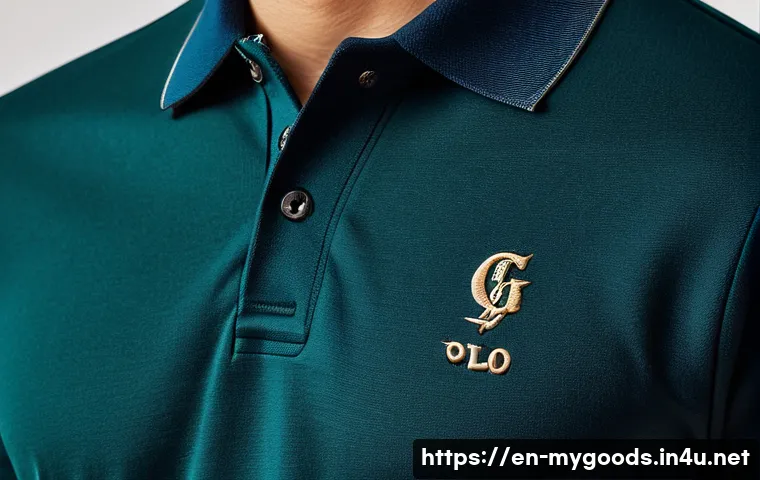
Embroidery, in my opinion, adds an undeniable touch of class and sophistication to any piece of merchandise. Instead of ink, your design is meticulously stitched directly onto the fabric using threads, creating a beautiful, raised texture that exudes quality.
When you feel an embroidered logo, you immediately get a sense of craftsmanship and durability that’s hard to replicate with printing. This method is incredibly robust; embroidered designs are highly resistant to fading, cracking, or peeling, often outlasting the garment itself.
That’s why it’s a go-to for corporate uniforms, professional polo shirts, caps, jackets, or any item where you want to convey a premium, long-lasting brand image.
While it might not be the best choice for highly intricate designs with fine details or complex color gradients, it absolutely excels for bold logos, text, or simpler graphics that benefit from that rich, dimensional look.
I’ve used embroidery for client uniforms and always been impressed by how it transforms a simple shirt into something truly professional and polished.
It truly adds a tangible value that customers notice.
Heat Transfer Vinyl (HTV): Bold Statements, Quick Turnarounds
Now, for making bold statements with sharp, opaque colors, especially for smaller runs or personalized items, Heat Transfer Vinyl (HTV) is a fantastic option.
I’ve probably cut and pressed hundreds of HTV designs over the years! This method involves cutting designs from colored vinyl sheets using a vinyl cutter, and then applying them to the garment using heat and pressure from a heat press.
What I love about HTV is its incredible color vibrancy and opacity, making designs pop on both light and dark fabrics. You can also get vinyl in a huge variety of finishes – think glitter, metallic, neon, flock, or even reflective – which offers some really cool creative possibilities that other methods can’t easily match.
It’s incredibly versatile for customizing individual items, adding names and numbers to sports jerseys, or creating quick, personalized gifts. The setup is relatively simple and inexpensive, especially if you already have a vinyl cutter, making it perfect for DIY enthusiasts or small businesses handling custom one-off orders.
While HTV designs are quite durable, especially high-quality vinyl like classic HTV, they can sometimes feel a bit stiffer or less breathable than ink-based prints, and with very heavy washing or improper application, there’s a slight chance of peeling over time.
But for bold, crisp graphics with a quick turnaround, HTV is a powerhouse.
Matching Your Vision: Key Factors for Choosing Your Method
Choosing the “best” printing method isn’t a one-size-fits-all decision; it really boils down to aligning the technique with your specific project goals.
It’s a bit like picking the right paintbrush for a painting – a fine detail brush won’t work for a broad stroke, and vice versa. Over my years in this space, I’ve learned that a lot of factors come into play, and skipping any of them can lead to disappointing results, wasted money, or a product that just doesn’t hit the mark for your audience.
Thinking through these elements carefully at the outset will save you so much headache down the line and ensure your custom merchandise truly shines. Let’s explore the critical considerations that I always keep in mind when advising clients or working on my own projects.
Understanding Cost, Volume, and Design Complexity
One of the first things I always ask clients is about their quantity needs and the complexity of their artwork, because these two factors significantly impact the most cost-effective printing choice.
For small runs or one-off custom pieces, methods like DTG and DTF are usually more economical because they have minimal or no setup costs. You’re paying a relatively consistent price per garment, regardless of quantity.
On the flip side, if you’re looking at hundreds or even thousands of items, screen printing really starts to shine. While it has higher initial setup costs for screens (one for each color!), these costs get spread out over a large volume, drastically lowering the per-unit price.
So, for that big event or wholesale order, screen printing often wins on price. Then there’s design complexity. If your design is a full-color photograph, has intricate details, or subtle gradients, DTG or sublimation (for polyester) will capture that beautifully.
Screen printing, while capable of detail, really excels with simpler designs that have fewer, bold colors. Embroidery is perfect for text or blocky logos but isn’t ideal for super fine lines or photographic imagery.
The Feel and Longevity of Your Custom Creations
Beyond just how a design looks, how it *feels* and how long it lasts are absolutely crucial, especially if you’re building a brand or selling premium merchandise.
I’ve always stressed that the “hand-feel” of a printed garment can make or break a customer’s perception of quality. DTG prints, for example, are known for their soft, smooth finish because the ink soaks directly into the fabric.
Sublimation takes this a step further; since the dye becomes part of the fabric, there’s literally no added texture, making it feel incredibly light and breathable.
Screen printing, while durable and vibrant, typically leaves a slightly raised texture because the ink sits on top of the material. HTV can also have a noticeable, sometimes plasticky, feel depending on the vinyl type, but offers exceptional opacity.
When it comes to longevity, screen printing is renowned for its durability, with designs that withstand countless washes. Sublimation is virtually permanent, never cracking or peeling.
Embroidery is also incredibly long-lasting. DTG and DTF prints offer good durability that has significantly improved, but proper care is always key to maximizing their lifespan.
It’s so important to consider how your customers will interact with and care for your merch, and choose a method that aligns with their expectations for wear and tear.
| Printing Method | Best For | Fabric Compatibility | Durability | Feel | Cost-Effectiveness (Volume) |
|---|---|---|---|---|---|
| Screen Printing | Large runs, bold designs, limited colors | Cotton, blends, various materials | Very high, long-lasting | Slightly raised texture | Excellent for bulk orders (100+ units) |
| Direct-to-Garment (DTG) | Small orders, complex designs, photos | Best on 100% cotton, high-cotton blends | Moderate to high | Soft, smooth, ‘no-feel’ | Good for small runs (1-50 units) |
| Direct-to-Film (DTF) | Versatile use, detailed graphics, all fabrics | Most fabrics (cotton, poly, blends, etc.) | High, wash-resistant | Slightly textured, flexible | Good for small to medium runs |
| Sublimation | All-over prints, vibrant photos, activewear | Polyester or high-poly blends (light colors) | Extremely high, permanent | Seamless, integrated into fabric | Efficient for medium to large polyester runs |
| Embroidery | Premium logos, text, uniforms, caps | Thicker fabrics (polos, jackets, caps) | Very high, won’t crack/fade | Raised, tactile texture | Cost-effective for premium branding, no minimums but cost per piece higher |
| Heat Transfer Vinyl (HTV) | Customization, names/numbers, bold graphics | Wide range of fabrics | Moderate to high, can feel stiff | Slightly raised, opaque | Great for small, personalized orders |
Future-Proofing Your Merchandise Game
It’s no secret that the world is becoming increasingly conscious about environmental impact, and the custom apparel industry is definitely feeling that shift.
As someone who’s deeply invested in creating and curating merchandise, I’ve seen firsthand how important it is for brands, big and small, to not just offer cool products, but to offer *responsible* ones.
Customers today are savvier than ever; they don’t just care about the design or the price, but also about the story behind the product and its footprint.
This isn’t just a trend; it’s a fundamental change in consumer values, and it’s something I genuinely embrace in my own work. Adapting to these evolving expectations isn’t just good for the planet; it’s brilliant for building a loyal, engaged community around your brand.
Eco-Friendly Options and Sustainable Practices
The push for sustainability is huge right now, and honestly, it’s a movement I’m thrilled to be a part of. We’re seeing more and more innovation in eco-friendly inks and materials, which is fantastic.
For instance, many DTG printers now use water-based inks, which are way less harmful to the environment and the people doing the printing compared to traditional solvent-based options.
Screen printers are also offering water-based and plastisol-free inks, which I actively seek out for my projects. Beyond inks, the fabric choices are making a huge difference.
Organic cotton, hemp, and recycled polyester are becoming really popular, offering fantastic alternatives to conventional materials. Organic cotton is grown without nasty pesticides, making it softer and better for the planet, and it’s a perfect canvas for sustainable printing methods.
Recycled polyester gives plastic waste a new life, which is a brilliant way to contribute to a circular economy. I always try to source from suppliers who prioritize these options because I know my audience cares, and frankly, so do I.
It feels good to create something awesome while also being kind to the Earth.
The Power of On-Demand Fulfillment for Reduced Waste
Another huge win for sustainability, and something that has truly transformed the landscape for independent creators and small businesses, is the rise of print-on-demand (POD) and on-demand fulfillment models.
Historically, custom merchandise often involved ordering large quantities upfront, which meant a significant financial risk and, let’s be honest, a lot of potential for unsold inventory ending up in landfills.
I’ve heard too many stories of designers stuck with boxes of tees that just didn’t sell. But with POD, products are only created *after* an order is placed.
This completely eliminates overproduction and significantly reduces waste, which is a massive environmental benefit. It also means you can react quickly to trends, offer a wider variety of designs without holding inventory, and test new products with minimal risk.
I’ve personally leveraged print-on-demand services to launch new designs without the stress of managing stock, and it’s been incredibly freeing. Many POD providers also integrate eco-friendly practices, using water-based inks and sustainable packaging, making the whole process even greener.
It’s a game-changer for anyone wanting to create custom merchandise responsibly and efficiently.
Wrapping Up
After diving deep into all these amazing apparel decoration methods, I truly hope you feel more confident about choosing the perfect technique for your next project.
It’s truly a creative journey, and understanding the nuances of each option can make all the difference in bringing your vision to life beautifully and effectively.
Remember, there’s no single “best” method; it’s all about matching the right tool to your specific needs, whether that’s for a small, intricate design or a large, vibrant bulk order.
Keep experimenting, keep learning, and most importantly, have fun creating!
Helpful Tips to Keep in Mind
1. Consider your Budget and Volume First. Before anything else, have a clear idea of how many items you need and what your budget per piece looks like. This initial clarity will immediately narrow down your options between methods that shine for small runs versus those that become incredibly cost-effective at high volumes. I’ve personally seen folks get stuck in the design phase only to realize their chosen method is too expensive for their quantity, so tackle this early!
2. Always Request Samples or Mock-ups. Pictures on a screen can only tell you so much. If you’re working with a new printer or trying a new method, always ask for a physical sample or at least a high-quality mock-up of your design on the actual garment. Feeling the fabric, seeing the print quality up close, and checking the color accuracy in person is invaluable and helps avoid costly surprises down the line.
3. Think About the End Use and Care Instructions. Is this a limited-run promotional item, or something meant to be worn and washed hundreds of times? Activewear needs superior durability and breathability, while a fashion tee might prioritize a soft hand-feel. Understanding how the garment will be used and cared for will guide you towards methods known for their longevity and specific performance attributes.
4. Don’t Underestimate the Power of Fabric Composition. As we discussed, some methods are fabric-specific. DTG loves cotton, sublimation demands polyester, and DTF is the universal hero. Always double-check the material of your blank garments against the requirements of your chosen printing technique. This is a common pitfall, and getting it right ensures optimal adhesion and vibrant results.
5. Test New Designs with Low-Volume Orders. Especially if you’re an independent creator or a small business, leverage methods like DTG or DTF for small test batches. This allows you to gauge customer interest, iron out any design kinks, and perfect your offering without a huge upfront investment in inventory. It’s a smart, low-risk way to innovate and adapt quickly to market feedback.
Key Takeaways
When it comes to custom apparel, the landscape of decoration techniques is incredibly rich and diverse, truly offering a bespoke solution for nearly every creative vision and budget you might have.
What I’ve really learned through my own journey and countless projects is that the ultimate success of your merchandise hinges on a thoughtful alignment between your design’s complexity, the desired feel and durability of the finished product, your production volume, and ultimately, your target audience’s expectations for quality and value.
Don’t be afraid to mix and match methods across different product lines, or even within a single collection, to achieve varied and unique effects that truly make your brand stand out.
Remember to always prioritize sustainable and eco-friendly practices where possible, as these conscious choices resonate deeply with today’s savvy consumers and contribute positively to your brand’s reputation and image.
Ultimately, by carefully considering each factor—from the tactile, premium quality of embroidery to the vibrant, photo-realistic precision of DTG—you empower yourself to create truly impactful and memorable custom apparel that not only stands the test of time but also leaves a lasting, positive impression on everyone who wears or sees it.
It’s an incredibly dynamic and exciting field, and continuous learning, as always, is truly key to staying ahead and continually innovating.
Frequently Asked Questions (FAQ) 📖
Q: Okay, so there are tons of printing methods out there now, right? It can feel super overwhelming! How do I even begin to pick the right one for my specific custom merch project, especially if I’m just starting out?
A: Oh, I totally get it! I’ve been there, staring at all the options and feeling like I needed a degree in textiles just to make a few shirts. What I’ve learned, from my own trial and error, is that picking the “right” method really boils down to a few key questions about your project.
First, think about your quantity. If you’re planning a huge run of, say, 100 or more tees with a simpler design, traditional screen printing is often your most cost-effective and durable bet.
The per-unit cost drops beautifully with higher volumes. But if you’re like me, often doing small batches, maybe just 10 or 20 for a special event or a new design test, then Direct-to-Garment (DTG) printing or Direct-to-Film (DTF) printing truly shine.
These digital methods don’t have the extensive setup costs of screen printing, making small runs incredibly economical. Next, consider your design complexity.
Got a photo-realistic image, a watercolor masterpiece, or something with a gazillion colors and gradients? DTG is absolutely stunning for those intricate, full-color designs because it prints directly onto the fabric, allowing for incredible detail and a soft feel.
DTF is also fantastic for vibrant, detailed designs, and it has the added advantage of working beautifully on almost any fabric type, light or dark, synthetic or natural, giving you incredible versatility.
For simpler designs with fewer colors, especially if you want that classic, slightly raised ink feel, screen printing is still a fantastic choice and super durable.
Finally, think about the fabric type and the feel you’re going for. DTG works best on cotton garments, giving a super soft, integrated feel to the print.
DTF, as I mentioned, is a chameleon; it can go on cotton, polyester, blends, even some harder surfaces, and it tends to have a slightly more tactile, vibrant finish.
Screen printing, depending on the ink, can give a range from a softer hand to a more pronounced, plastisol feel. So, ask yourself: what kind of look and feel do I want my customers to experience?
Once you answer these, the path starts to clear up, I promise!
Q: You mentioned eco-friendly inks and quick turnarounds. What are the hottest new trends in custom printing that I should really be paying attention to right now, especially if I want to be relevant and maybe even sustainable?
A: Oh, this is such a thrilling area right now, and honestly, it’s one of my favorite things to track! The biggest game-changers I’m seeing are definitely sustainability and the incredible push towards on-demand printing.
On the sustainability front, water-based inks are becoming the absolute standard, and for good reason! They’re less impactful on the environment, produce fewer VOCs, and often result in a much softer feel on the garment, which customers absolutely love.
I’ve personally switched over as much as possible, and the results are fantastic. Plus, using ethically sourced materials, like organic cotton or recycled polyesters, is gaining massive traction.
People genuinely care about where their products come from, and aligning with those values can really elevate your brand. Then there’s the whole on-demand revolution.
Thanks to advancements in DTG and especially DTF, we’re now in an era where you don’t need to order hundreds of items and sit on mountains of inventory, hoping they’ll sell.
You can literally print items as orders come in. This is a total dream come true for small businesses and artists because it drastically reduces financial risk and allows you to react to trends instantly.
See a viral meme? Design a shirt, launch it, and have it printed and shipped within days. This agility is something the old methods just couldn’t deliver.
DTF, in particular, has exploded because of its versatility and how easily it integrates into an on-demand workflow. It’s vibrant, durable, and can be applied to such a wide range of products, making it perfect for custom hats, bags, and apparel.
The combination of sustainable practices and hyper-efficient, on-demand fulfillment is definitely where the industry is heading, and honestly, it’s a wonderful place to be!
Q: Alright, so I’ve heard a lot about DTG and DTF, but what about good ol’ screen printing? When is it still the best choice, and when should I definitely lean towards those newer digital methods you’re talking about?
A: That’s a super smart question because it’s not always about abandoning the classics for the new kids on the block! Screen printing definitely still holds its own, and for certain projects, it’s undeniably the champ.
You should absolutely lean into screen printing when you’re doing large bulk orders – think hundreds or even thousands of items. The setup costs are higher, yes, but once that screen is made, each subsequent print becomes incredibly cheap, driving down your per-unit price significantly.
From my own experience, when I’ve got a big event or a brand promotion that needs 500 identical shirts, screen printing is the clear winner for cost-effectiveness.
It’s also fantastic for designs with fewer colors but where you need really vivid, opaque results. Think about those iconic band tees or sports team logos with bold, solid colors.
Screen printing excels at laying down thick, vibrant ink that pops off the fabric and holds up exceptionally well over time. It gives a unique “hand” or feel that some people actually prefer, feeling more substantial than a digital print.
Durability is another huge plus; a well-executed screen print can literally outlast the garment itself. Now, when should you pivot to DTG or DTF? Definitely for those smaller runs, especially if you’re experimenting with new designs or offering personalized items.
If you’ve got a design with a huge number of colors, gradients, or photorealistic elements, DTG or DTF are your best friends. They can reproduce intricate details that would be impossibly expensive or complex with screen printing, simply because you’d need a screen for every single color.
Plus, the speed and flexibility are unmatched. If you need a quick turnaround on a unique design, or if you’re testing the waters with a limited edition item, the digital methods allow you to print and go without the extensive setup time.
I’ve personally used DTF to quickly create custom gear for impromptu team events, where screen printing just wouldn’t have been feasible time-wise. So, it’s really about knowing your project’s scale, complexity, and timeline to choose your printing champion!