In today’s world, where personalized products are more popular than ever, creating unique stickers can open doors to both creative expression and profitable opportunities.

With trends shifting rapidly towards custom designs, now is the perfect time to explore how you can make your stickers stand out in a crowded market. Whether you’re a hobbyist or an aspiring entrepreneur, unlocking your creativity with expert tips can transform your ideas into eye-catching, sellable art.
Stick around as we dive into practical strategies that have helped many turn simple sticker designs into thriving side hustles. Ready to level up your sticker game?
Let’s get started!
Understanding Your Target Audience for Sticker Success
Identifying Who Will Buy Your Stickers
Knowing who your stickers are for is the cornerstone of designing something that truly connects. Are you aiming for teens who love quirky pop culture references?
Or perhaps small business owners who want professional branding decals? When I first started making stickers, I made the mistake of designing without a clear audience, and honestly, the sales were disappointing.
Once I shifted focus to a specific group—like pet lovers or motivational quote fans—I saw a real jump in engagement. Think about your ideal customer’s interests, age group, and style preferences.
This clarity will guide everything from your design choices to marketing channels.
Researching Trends Without Losing Originality
Keeping up with trends is crucial, but it’s easy to fall into the trap of copying what’s popular. Instead, try blending current trends with your unique twist.
For example, if minimalism is trending, add a personal touch like hand-drawn elements or vibrant color pops. I’ve found that experimenting with trend-inspired palettes while maintaining my signature style keeps my stickers fresh but distinct.
Use platforms like Instagram and Pinterest to spot emerging sticker themes but always ask yourself: how can I make this my own?
Engaging Directly with Potential Buyers
One of the best ways to refine your understanding is by engaging directly with your audience. Running polls on social media or asking questions in sticker enthusiast groups can reveal what people want to see next.
When I started doing Instagram stories asking followers about their favorite designs, the feedback was invaluable and shaped my bestsellers. This interaction not only informs your product but builds a loyal community eager to support your work.
Mastering Design Techniques to Elevate Your Stickers
Choosing the Right Software and Tools
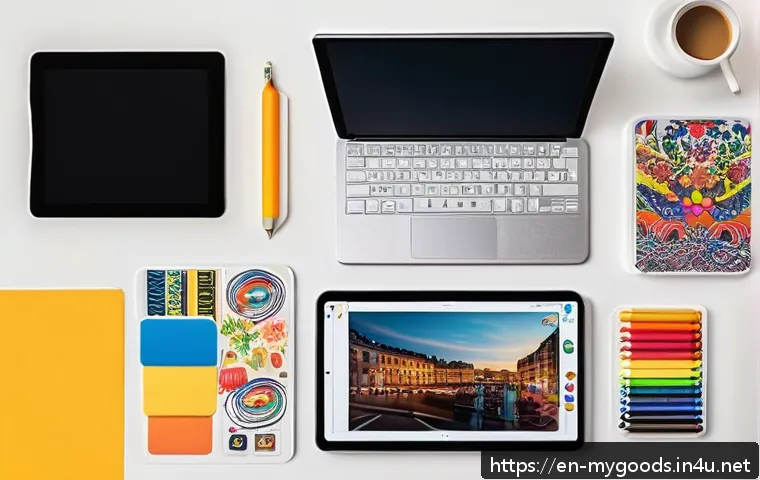
There’s a vast world of design software out there, from free apps like Canva to professional tools like Adobe Illustrator and Procreate. When I began, I used basic tools, but upgrading to a tablet and Procreate revolutionized my workflow.
The precision and versatility allowed me to create more detailed, polished designs that customers noticed immediately. If you’re just starting, try a few options to see what fits your style and budget.
Remember, the tool is only as good as your creativity behind it.
Balancing Color and Contrast for Visual Impact
Color choices can make or break a sticker’s appeal. I learned early on that bright colors grab attention, but they need to be balanced with contrast to ensure readability and overall harmony.
For instance, a neon palette looks eye-catching but can overwhelm if not paired with neutral tones. Playing with color theory—such as complementary and analogous colors—can help your designs pop without hurting the eyes.
Don’t hesitate to test different combos and ask friends or followers for their take before finalizing.
Incorporating Textures and Layers
Adding subtle textures or layered elements can give your stickers depth and uniqueness. I experimented by scanning hand-painted backgrounds and layering them under digital illustrations, which created a handmade feel that stood out on Etsy.
Even simple shadowing or embossing effects can elevate your designs from flat to dynamic. This approach is especially effective when selling physical stickers, as it makes customers feel like they’re holding a piece of art rather than just a flat decal.
Optimizing Production Methods for Quality and Efficiency
Choosing Between Printing In-House or Outsourcing
Deciding whether to print your stickers yourself or use a professional service can significantly impact your costs and quality. I started with a home printer and vinyl cutter, which was fun but limiting in volume and finish.
Outsourcing to a local print shop or online service like Sticker Mule gave me access to premium materials and vibrant colors, improving customer satisfaction.
Consider your budget, order volume, and turnaround time when making this decision.
Selecting the Best Materials for Durability
The type of sticker material affects how long your product lasts and how it feels. Vinyl is popular for its durability and water resistance, perfect for laptops or water bottles.
Paper stickers can be more affordable but less durable. I once received customer feedback that my paper stickers faded too fast outdoors, prompting me to switch to vinyl and laminate finishes, which boosted positive reviews.
Offering multiple material options can also attract different buyer segments.
Streamlining the Cutting Process
Cutting precision is vital for professional-looking stickers. Manual cutting might work for a few pieces but becomes tedious and inconsistent as orders grow.
Investing in a die-cut machine or partnering with a print shop that offers kiss-cut options can save time and improve quality. I remember the frustration of uneven edges early on, and upgrading my tools was a game-changer.
Clean cuts increase perceived value and reduce returns or complaints.
Crafting a Brand That Resonates and Builds Loyalty
Developing a Cohesive Visual Identity
Your sticker brand isn’t just the designs—it’s the whole package. Consistency in logo, packaging, and even social media style creates a memorable impression.
I once saw a seller with amazing stickers but unbranded packaging, and it felt less professional. By creating a simple yet distinctive logo and using matching colors on my packaging, I noticed more repeat customers mentioning the “cool vibe” of my brand.
Think about how your brand looks across every touchpoint.
Writing Engaging Product Descriptions
Many overlook the power of a well-written description. Instead of just listing dimensions and materials, tell a story about your sticker’s inspiration or how it can be used.
For example, I describe my motivational quote stickers as “perfect companions for your morning coffee mug, sparking positivity every day.” This emotional connection encourages buyers to imagine owning the product, which often leads to higher conversions.
Creating Memorable Packaging and Unboxing Experiences
Packaging is your last chance to impress. Adding little extras like thank-you notes, branded stickers, or eco-friendly wrapping can turn a simple purchase into a delightful experience.
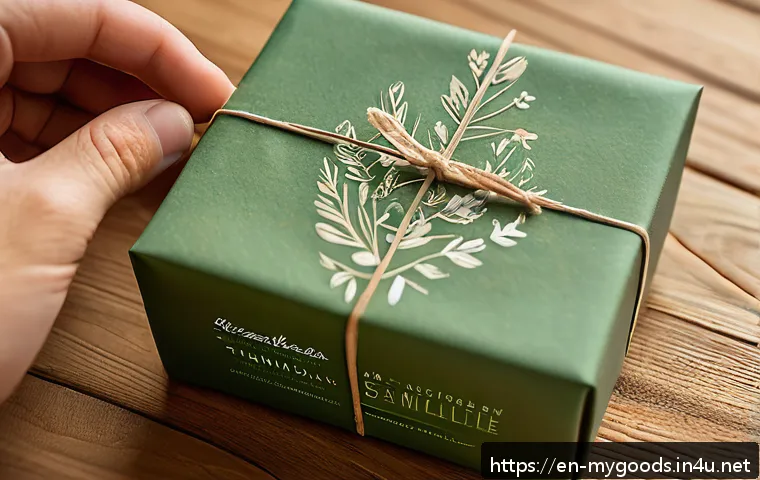
Customers often share unboxing photos on social media, which serves as free promotion. I include a handwritten note with every order, and I’ve had customers tell me it made them feel special and eager to buy again.
Small touches go a long way in building loyalty.
Marketing Strategies That Amplify Your Reach
Leveraging Social Media Platforms Effectively
Social media is where most sticker lovers hang out, but success requires more than posting pretty pictures. I’ve found that mixing behind-the-scenes content, customer photos, and interactive stories keeps followers engaged.
Using hashtags strategically and collaborating with influencers or small creators can expand your reach organically. For instance, a collaboration with a niche artist brought new eyes to my shop and boosted sales for weeks.
Utilizing Online Marketplaces and SEO
Platforms like Etsy, Redbubble, and even Amazon Handmade are excellent channels, but optimizing your listings for search is essential. I spent time researching keywords that buyers use, like “cute laptop stickers” or “planner decals,” and incorporated them naturally in titles and tags.
This small effort made a huge difference in visibility. Additionally, maintaining good reviews and quick responses to questions builds trust, which search algorithms favor.
Running Promotions and Limited-Time Offers
Creating urgency through sales or exclusive drops can spark immediate interest. I experimented with flash sales and bundle deals, which not only increased orders but also encouraged customers to try more designs.
Announcing these promotions via email newsletters and social media ensures your audience knows about them. Just remember not to overdo it—scarcity works best when it feels special, not routine.
Pricing Your Stickers for Profit and Perceived Value
Calculating Costs Accurately
Understanding all your costs—materials, printing, packaging, shipping, and time—is crucial to avoid selling at a loss. Early on, I underestimated the time spent on design and order processing, which cut into profits.
Track everything diligently, even small expenses like labels or tape. This clarity helps set a baseline price that covers costs and leaves room for profit.
Researching Market Rates and Competitors
Checking what others charge for similar stickers provides valuable insight. I noticed that overly cheap prices often signal low quality, which can hurt your brand.
Positioning your stickers in a mid-range price bracket, with clear quality benefits, helped me attract customers willing to pay more for unique art. Don’t underprice just to compete—focus on value.
Offering Tiered Pricing and Bundles
Providing options like single stickers, packs, or custom sets caters to different buyer budgets. Bundles often encourage larger purchases, increasing overall revenue.
I also experimented with limited-edition sets priced higher due to exclusivity, which attracted collectors. Offering discounts on bundles or free shipping thresholds can make your shop more appealing without slashing prices.
Building Long-Term Growth Through Customer Relationships
Encouraging Reviews and Testimonials
Positive reviews are social proof that can sway hesitant buyers. After each purchase, I send a friendly follow-up message thanking customers and gently asking for feedback.
Many appreciate the personal touch and leave detailed reviews. Highlighting these on your website or listings builds trust and credibility.
Creating a Loyalty Program or Repeat Buyer Incentives
Rewarding repeat customers keeps them coming back. I set up a simple points system where buyers earn discounts on future purchases. This not only boosts sales but makes customers feel valued.
Even small perks, like early access to new designs, create excitement and a sense of community.
Maintaining Consistent Communication
Regular updates via email newsletters or social media keep your audience engaged and informed about new releases or promotions. I’ve noticed that consistent communication fosters a loyal base eager to support every new sticker drop.
Sharing your creative journey or challenges makes your brand relatable and trustworthy.
| Aspect | Key Considerations | Tips from Experience |
|---|---|---|
| Audience Targeting | Demographics, interests, buying habits | Engage directly with polls, focus on niche groups |
| Design Tools | Software options, skill level, budget | Start simple, upgrade tools for precision and creativity |
| Material Choice | Durability, finish, cost | Use vinyl for quality, offer variety for different needs |
| Branding | Visual identity, packaging, tone | Consistency builds recognition, add personal touches |
| Marketing | Social media, SEO, promotions | Mix content types, optimize listings, create urgency |
| Pricing | Costs, market rates, perceived value | Calculate all expenses, avoid underpricing, offer bundles |
| Customer Relations | Reviews, loyalty, communication | Follow up for feedback, reward loyalty, share stories |
Wrapping Up
Creating successful stickers takes more than just great designs—it requires understanding your audience, mastering your craft, and building a brand that speaks to your customers. By combining creativity with strategic marketing and quality production, you can turn your passion into a thriving business. Keep experimenting, listening to your buyers, and refining your approach for lasting success.
Helpful Tips to Remember
1. Define your target audience clearly to make designs that truly resonate and drive sales.
2. Stay inspired by trends but always add your unique style to stand out from the crowd.
3. Invest time in learning design tools that fit your skill level and budget for better results.
4. Use durable materials like vinyl to ensure customer satisfaction and positive reviews.
5. Engage with your customers regularly and reward their loyalty to build a strong community.
Key Takeaways
Success in the sticker business hinges on a solid understanding of who your buyers are and what they want. Quality design and materials create products that stand out, while consistent branding and meaningful communication foster customer loyalty. Pricing should reflect true costs and perceived value, and marketing efforts must be tailored to the platforms where your audience spends time. Finally, nurturing relationships through reviews and rewards ensures sustainable growth and repeat business.
Frequently Asked Questions (FAQ) 📖
Q: How can I make my sticker designs stand out in a saturated market?
A: To make your stickers truly unique, focus on developing a distinctive style that reflects your personality or brand. Experiment with bold colors, creative typography, and original illustrations that resonate with your target audience.
Incorporating current trends while adding your own twist can help catch eyes. Also, consider niche markets—stickers tailored to specific hobbies or communities often perform better because they speak directly to passionate groups.
From my own experience, blending humor with relatable themes has worked wonders in grabbing attention and encouraging shares on social media.
Q: What materials and tools should I use to create high-quality stickers?
A: Quality starts with the right materials. Vinyl sticker paper with a waterproof and UV-resistant coating is ideal for durability, especially if your stickers might be exposed to the elements.
For printing, a high-resolution inkjet or laser printer can deliver crisp images, but professional printing services can elevate your product with vibrant colors and precision cutting.
As for tools, investing in a good cutting machine like a Cricut or Silhouette can save time and produce clean edges. I found that starting small with home equipment and then scaling to professional services as demand grows strikes the perfect balance between cost and quality.
Q: How can I effectively sell my custom stickers online?
A: Selling stickers online successfully involves a combination of smart marketing and excellent customer experience. Platforms like Etsy, Shopify, or even Instagram Shops offer great avenues to showcase your products.
High-quality photos and engaging product descriptions that tell a story about your design process can make a big difference. Don’t underestimate the power of social media; posting regularly and interacting with your audience builds trust and loyalty.
Offering limited editions or bundles creates urgency and encourages larger purchases. Personally, I’ve seen that engaging with customers through giveaways and behind-the-scenes content helped boost sales significantly and fostered a supportive community around my brand.